
A Mother’s Heart is the first of a four-part series about my parents’ experience.
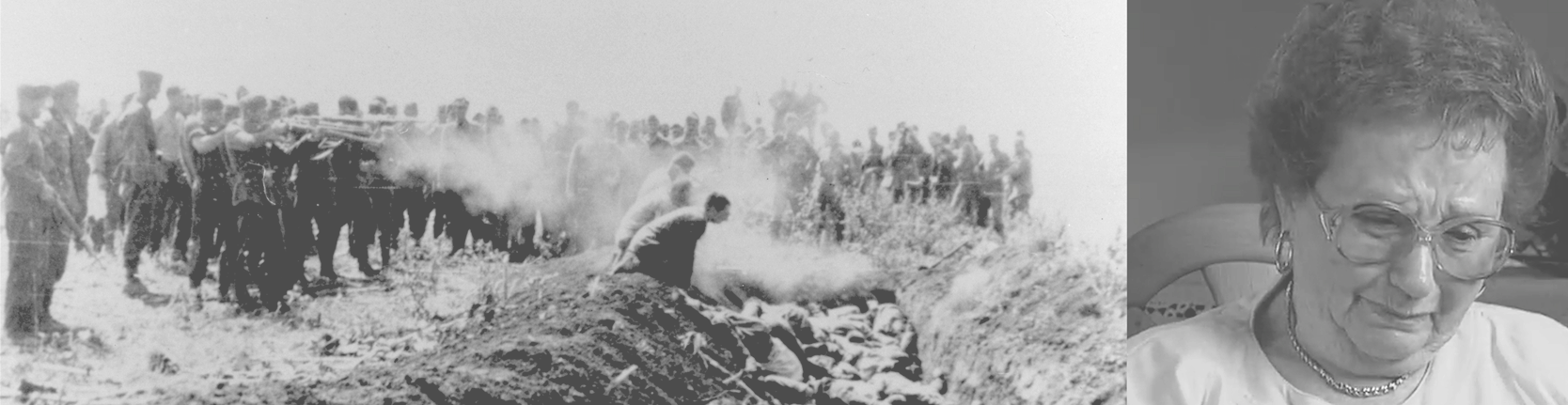
Part 2, The Destruction of Rohatyn, will tell of the destruction of my father’s hometown, when both my mother and father lose most of their family. My mother’s fate is now entwined with that of my father and his two remaining brothers.
The visual treatment of this film will be harsh and impressionistic, emphasizing the cruelty towards the Rohatyn Jews, and the irretrievable loss of their families. My father will be partially narrating this film by reading his own article in Yiddish about what happened to Rohatyn during that time.
Part 3, That’s Where your People Are After the Germans launched a final liquidation of all the Jews in the Rohatyn ghetto, my parents fled to a nearby forest and survived the next eighteen months. The film will show what they had to go through each day, just to stay alive.
During that time they took in a young boy, David. He was the sole survivor of his family, on the run, trying to stay alive. David stayed with them and my uncle in a bunker under a tree stump for over a year. In 1944, when they were liberated by the Russians, they were 6 out of 200 that survived. Unfortunately, they lost touch with each other once they left the forest.
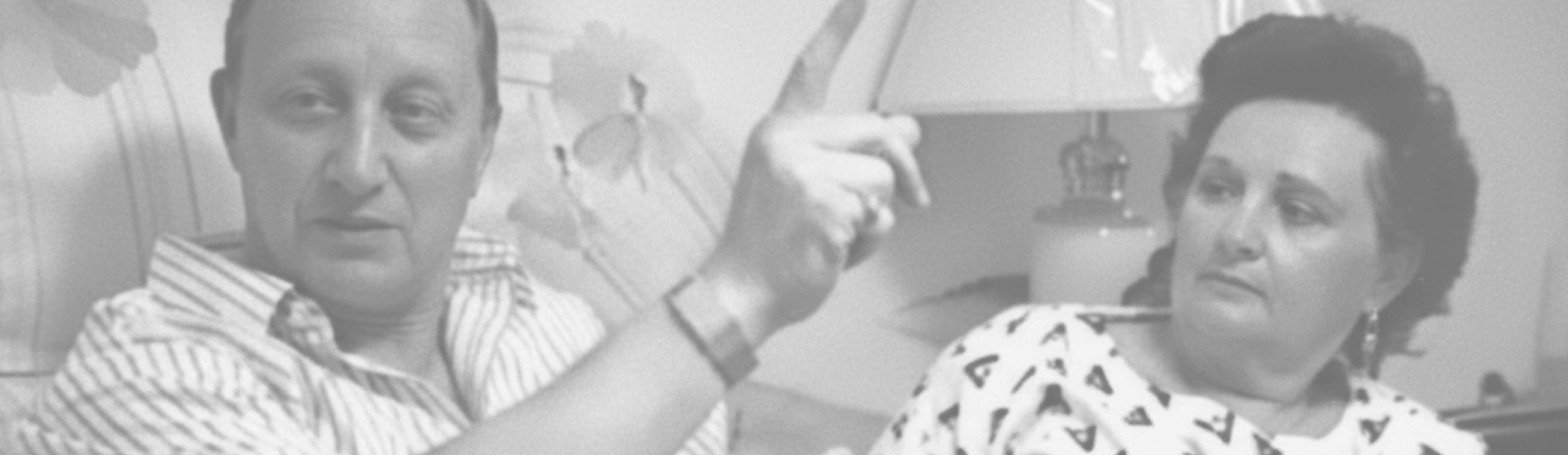
Over 40 years later, David found my mother. They reunited with the joy of a brother and sister. On a hot day in Montreal, with his wife and in-laws present, I interviewed David and my mom. Their interview gives us a telling view of life under those circumstances.
Part 4, A Good Man, will be a testament to Antoni Malinowski, a Polish Ukrainian who helped my parents survive during their time in the forest. Although there was massive collaboration by Poles and Ukrainians in the destruction of Polish Jewry, there were also “righteous Gentiles” who put themselves and their families at great risk by helping the local Jewish population during the War.
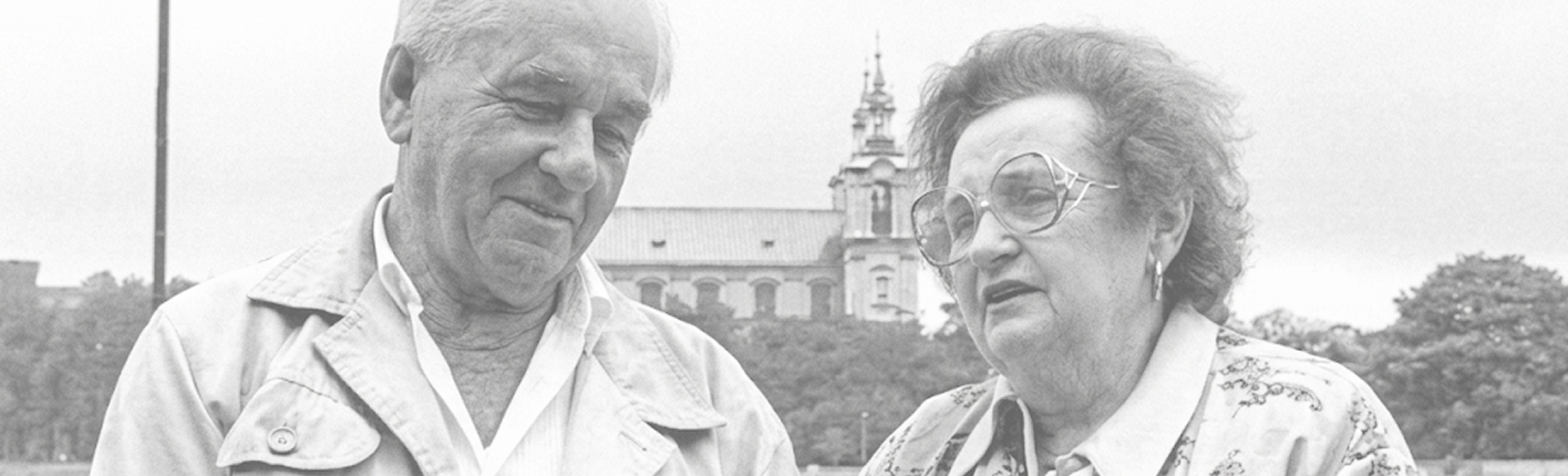
My parents kept in touch with Antoni and his family for over 50 years. In August of 1994 my mother and I spent a week in Krakow, meeting him and his daughter’s family, and again, four years later, in their hometown. My mother spoke openheartedly as he and his daughter’s family listened compassionately. Almost everything was spoken in Polish. Even without a common language, I had a very special connection to Antoni. He was truly a good man.